Your product sells well. Customers like it. But the same complaint keeps coming up: the handle is uncomfortable, the adjustment slips, or one part wears out before the rest.
It may not stop people from buying, but it gives you a clear starting point for making the product better.
Before looking for an entirely new product to launch, consider what you could improve in the line you already sell. You have sales history, customer feedback, and real examples of how the product performs. That information can help you decide where to invest next.
Look for a pattern
Start with reviews, return reasons, customer service emails, and feedback from retailers. Look for issues that appear repeatedly, especially when they affect how people use the product.
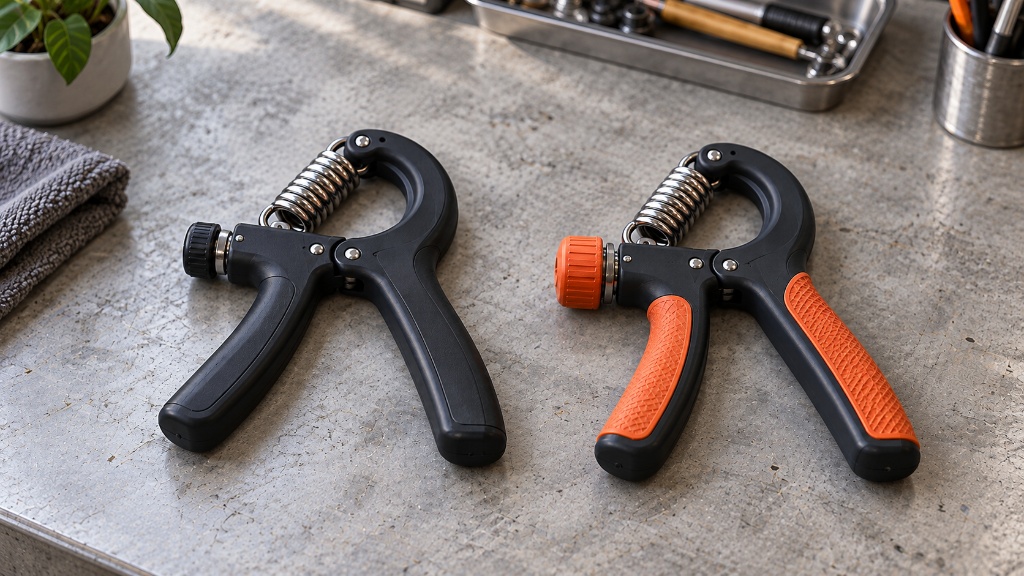
Imagine a fitness accessory that customers like but regularly have to stop and tighten during a workout. If that complaint appears across reviews and support requests, there's a specific problem to investigate.
Pay attention to what customers like, too. An update should preserve the qualities that keep people buying.
Find the right size of change
Solving the problem may not require a complete redesign. The slipping adjustment might need a different fastener, a change in material, or a revised locking mechanism.
Each option has different implications for cost and production. Replacing a standard component could be straightforward. Changing a moulded part could require modifications to existing tooling.
This is where a design and manufacturing review helps: work out what needs to change, what can stay, and how the updated version would be made.
Check that the fix actually helps
Build and test the proposed change before committing to production.
For the fitness accessory, that means checking whether the adjustment holds during repeated use, and whether customers can still adjust it easily. A mechanism that stays tight but becomes frustrating to operate hasn't fully solved the problem.
Where possible, compare the updated version with the current product under the same conditions. Put it in customers' hands and see whether the improvement makes a meaningful difference.
Make the numbers work
A better product still needs to make commercial sense.
Weigh development and tooling costs against the expected benefit. Could the change reduce returns or warranty replacements? Make assembly easier? Address an objection retailers hear from customers?
Account for existing inventory as well. Introducing an updated version takes planning when you still have stock or components from the current design.
The next development project doesn't always need to start with a new idea. Sometimes, customers have already told you where to begin.
BSC Products helps businesses turn product feedback into design improvements, prototypes, and manufacturing updates. If you're considering changes to an existing product, get in touch to discuss the next steps.
Ready to improve your existing product?
Let's discuss how customer feedback can inform practical design and manufacturing updates.
Start a Conversation